Which Do I Choose: Room Darkening vs. Blackout Shades
Maybe you want a bedroom that stays comfortably dim after sunrise. Or perhaps afternoon glare makes it nearly impossible to see the television in your family room.
In either case, choosing the right window shade starts with deciding how much light you want to let in or block, which raises a common question: What’s the difference between room-darkening vs. blackout shades? Folks sometimes use these terms interchangeably, but they describe different levels of light control that a window treatment provides.
The best choice depends on the room, your daily routine, and how dark you want the space to feel. Fortunately, our team at The Blind Guy Coeur d'Alene is here to help you make sense of it all.
What Are Room-Darkening Shades?
Room-darkening shades significantly reduce the amount of sunlight entering through a window. Opaque room-darkening fabrics can block almost all incoming light while providing a high degree of privacy.
With room-darkening shades, you can expect small amounts of light to still appear around the edges of your window treatment, particularly with an inside mount. Those gaps allow a shade to operate without rubbing against or catching on the window frame, hand cranks, or handles.
For many rooms, this balance is exactly what you want.
What Are Different Types of Room-Darkening Shades?
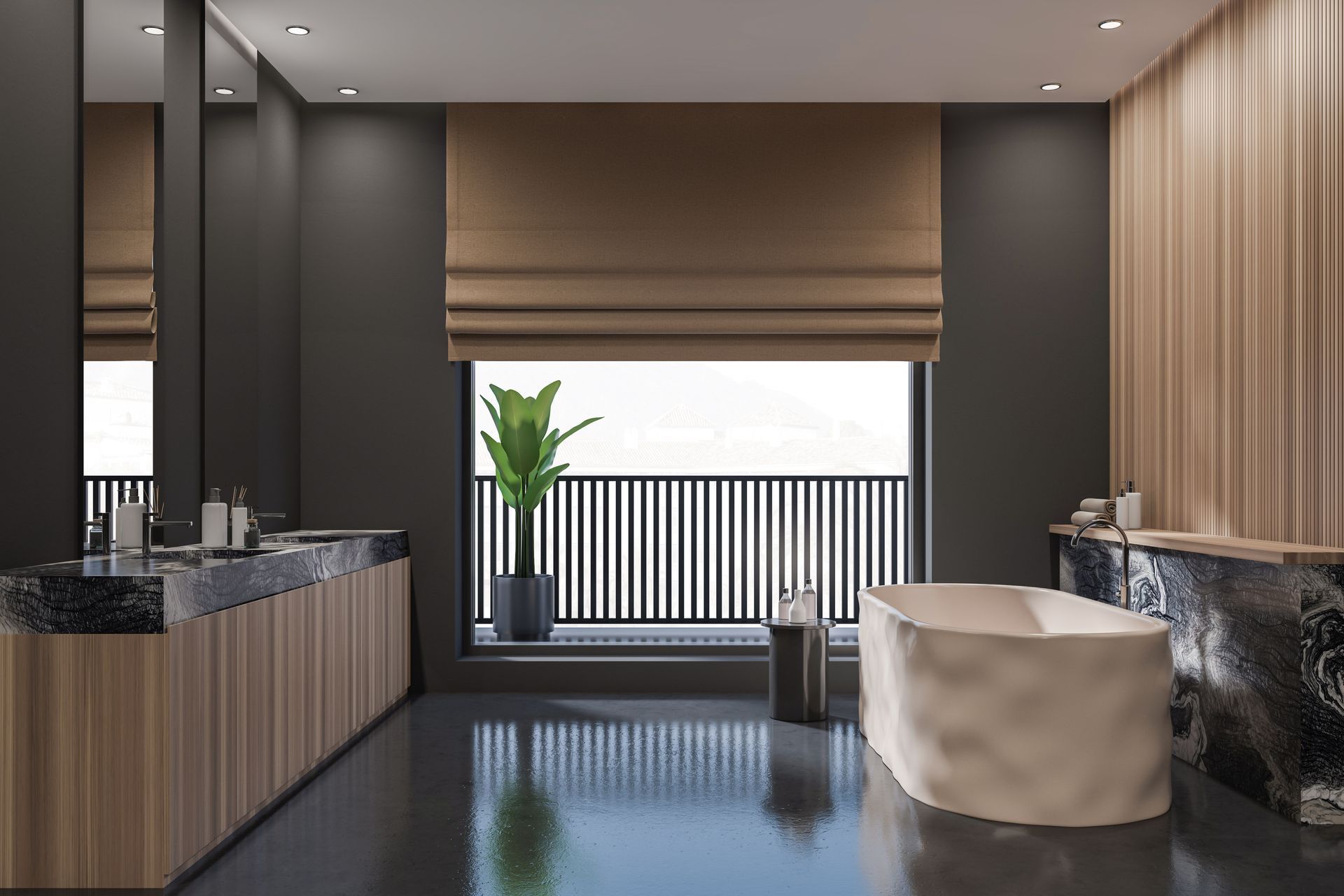
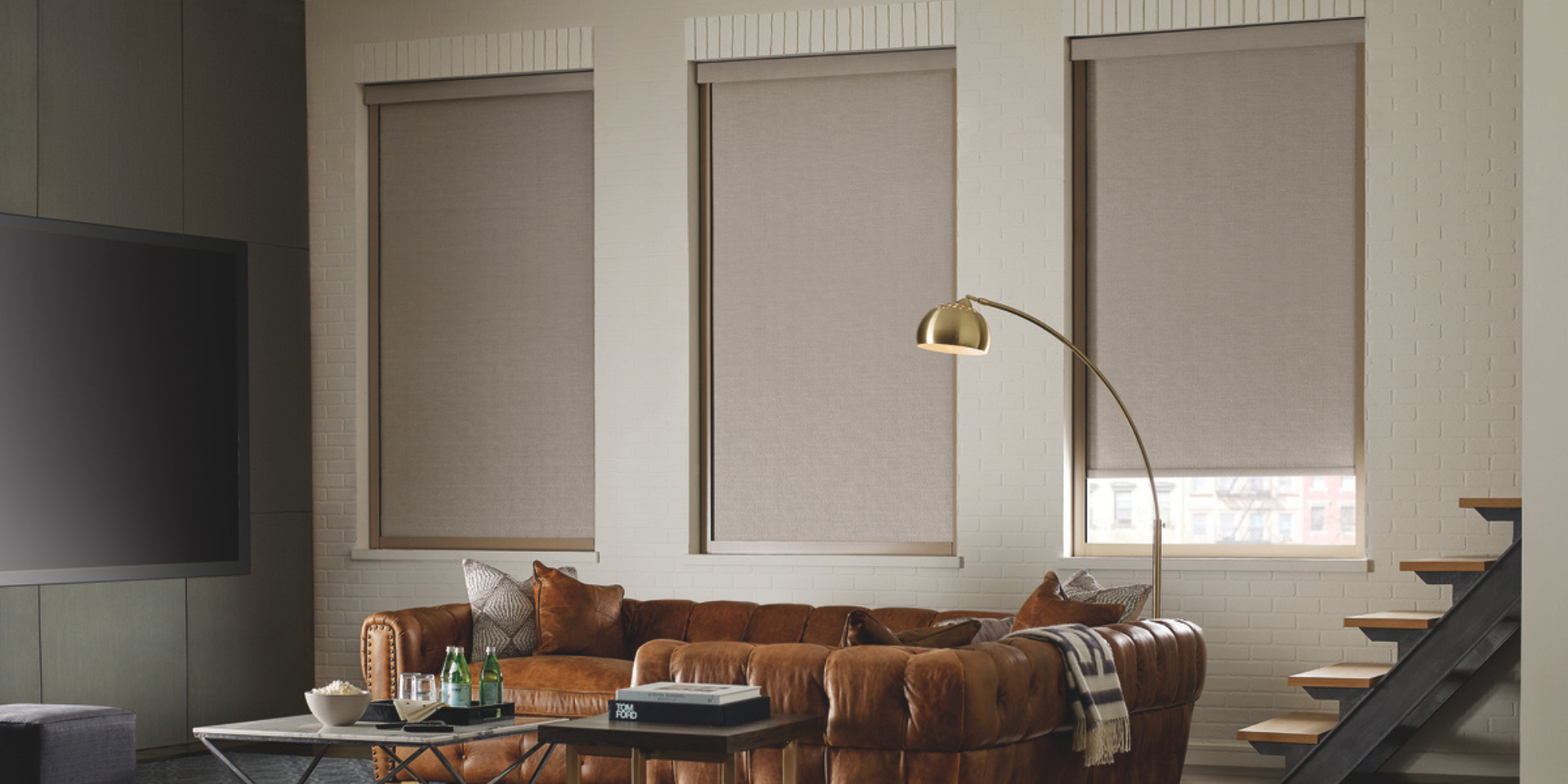
A room-darkening roller shade from Hunter Douglas or Graber®, for example, offers a clean, streamlined appearance while helping reduce glare. Premium Roman shades offer similar light-control possibilities with a softer, more sophisticated look.
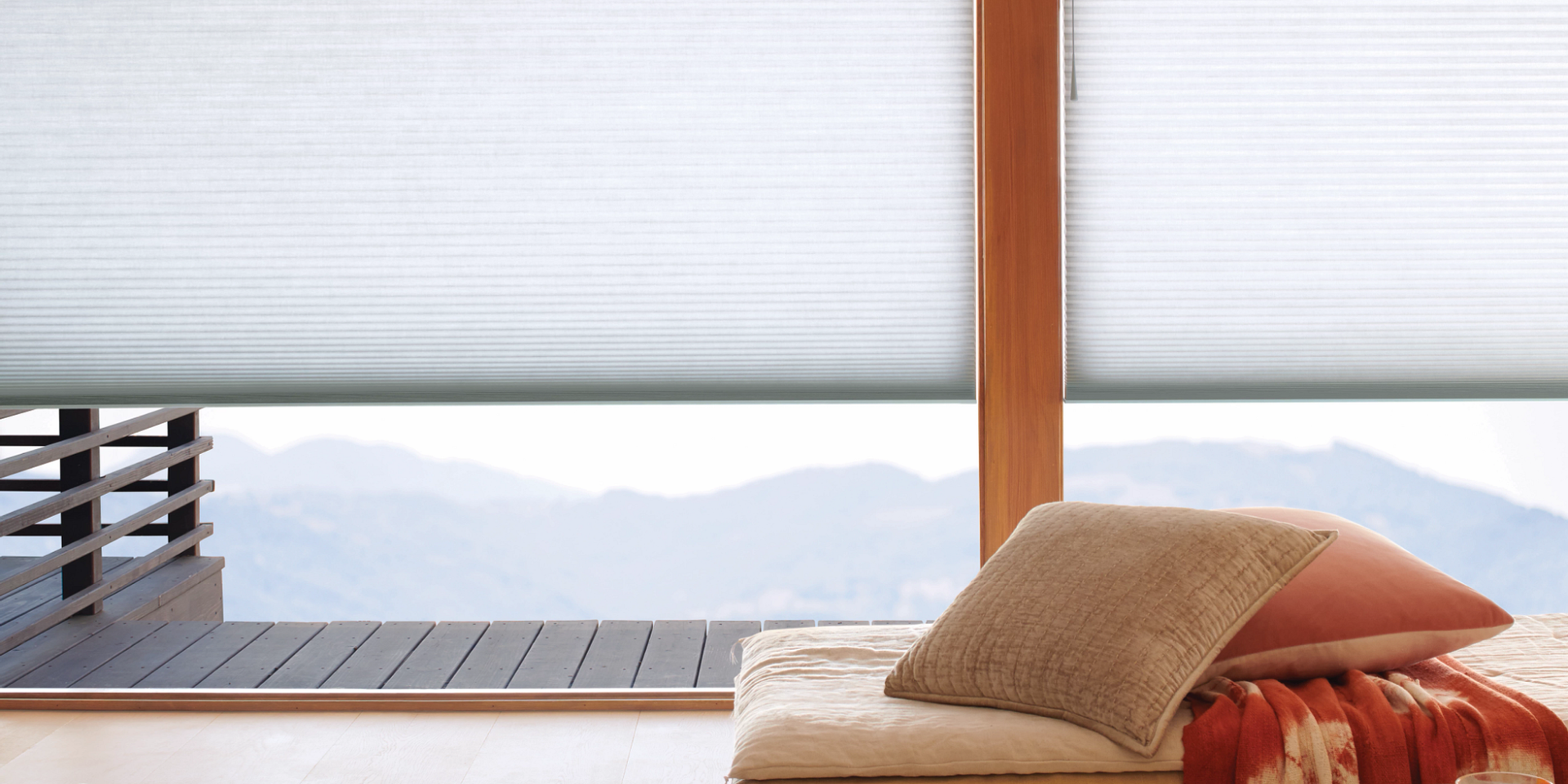
Additionally, room-darkening cellular shades, especially with the Hunter Douglas LightLock® system, can make bedrooms and nurseries noticeably darker at night or on bright mornings, while also improving your home’s energy efficiency.
What Does a Blackout Shade Really Mean?
Blackout shades take light control further. Blackout fabrics are designed to block nearly all light passing through the material, making them a strong choice when creating the darkest possible environment is the priority.
Still, no window shade should automatically be assumed to make a room 100% dark, as installation matters.
Even a highly opaque fabric can still let through small amounts of light around the edges. An outside-mounted shade can overlap the window opening and reduce those gaps. Depending on the window treatment, side channels or layered treatments can also help create a darker result.
Think of blackout shades as the higher end of the light-control spectrum rather than a promise that not a single ray will enter the room.
Room-Darkening vs. Blackout: Which Rooms Need Which?
For a living room or family room, you may simply need relief from afternoon glare while still wanting the option to bring daylight back in. Room-darkening roller or Roman shades can work well here. Close them when the sun becomes bothersome, then raise them when you want a brighter space.
Your bedrooms, guest rooms, and nurseries depend more on sleeping habits. If morning sunlight wakes you earlier than you’d like, room-darkening cellular shades can make a considerable difference.
For media rooms and home theaters, darker is usually better. Opaque fabrics help control outside light that can cause screen glare or wash out the picture.
Find Room-Darkening Window Shades Near Coeur d'Alene, ID
Our team at The Blind Guy Coeur d'Alene makes the window treatment process convenient by bringing the samples to your home.
Contact us online or call (208) 667-6908 to schedule your in-home consultation with our experts and get the level of darkness that fits your lifestyle.
The Blind Guy Coeur d'Alene proudly serves Priest Lake, Bonners Ferry, Sandpoint, Athol, Rathdrum, Hayden, Post Falls, Coeur d'Alene, Wallace, St. Maries, and Harrison, ID.